Saqqara Egypt: Complete Guide to the Ancient Necropolis
Saqqara Egypt: Complete Guide to the Ancient Necropolis
Saqqara is one of the most fascinating archaeological sites in Egypt and an essential destination for anyone interested in ancient Egyptian history. Located about 30 kilometers south of Cairo, Saqqara is a vast ancient burial ground that served as the necropolis of Memphis, the first capital of ancient Egypt.
The site is best known for the Step Pyramid of Djoser, considered one of the earliest large-scale stone structures in the world. However, Saqqara offers much more than its famous pyramid. Visitors can explore ancient tombs, temples, pyramids, colorful wall paintings, and monuments that reveal thousands of years of Egyptian history.
Where Is Saqqara?
Saqqara is located on the west bank of the Nile River, south of Cairo and close to the village of Saqqara. It is part of the ancient Memphis area and is relatively easy to visit as a day trip from Cairo or Giza.
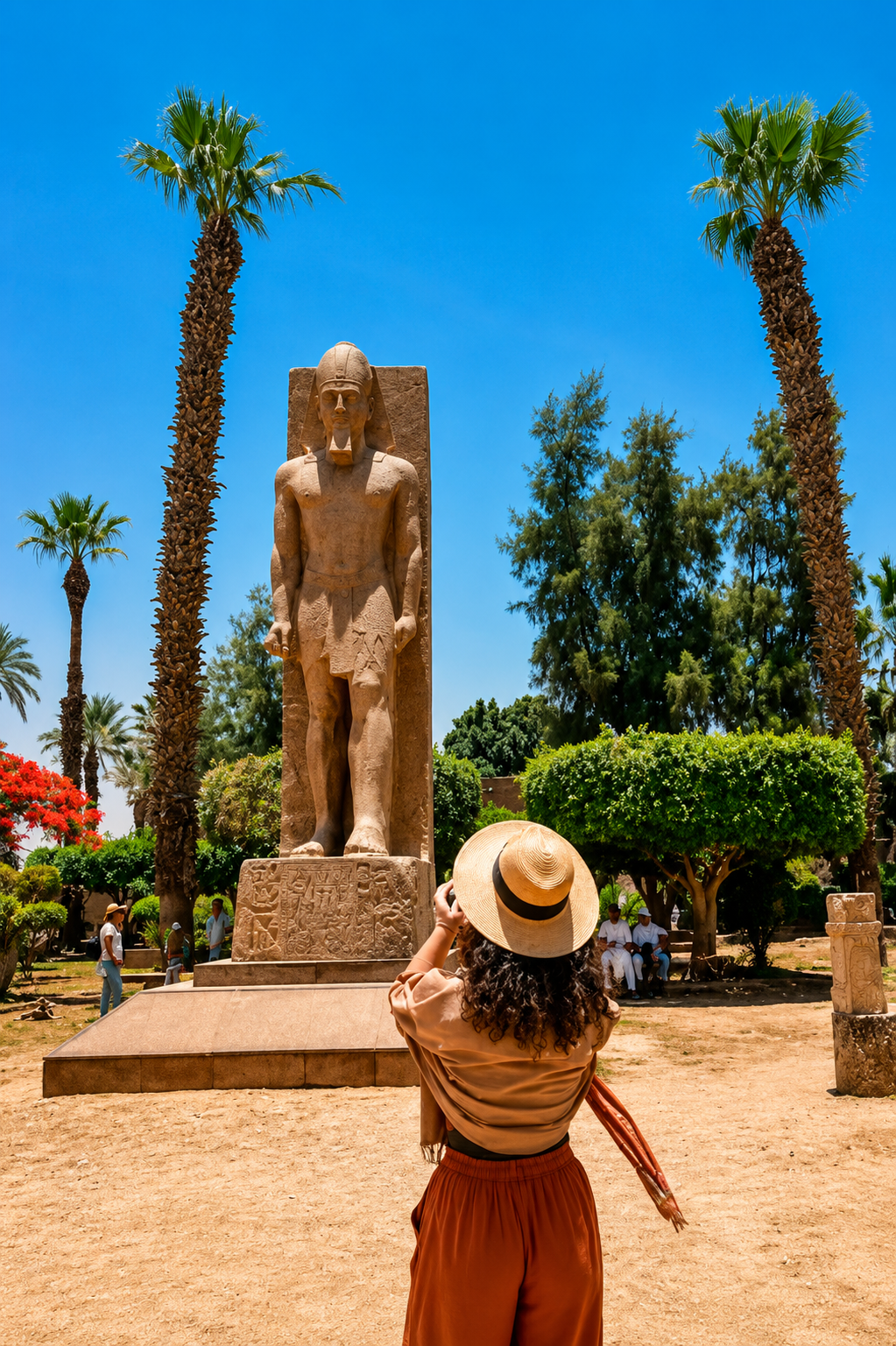
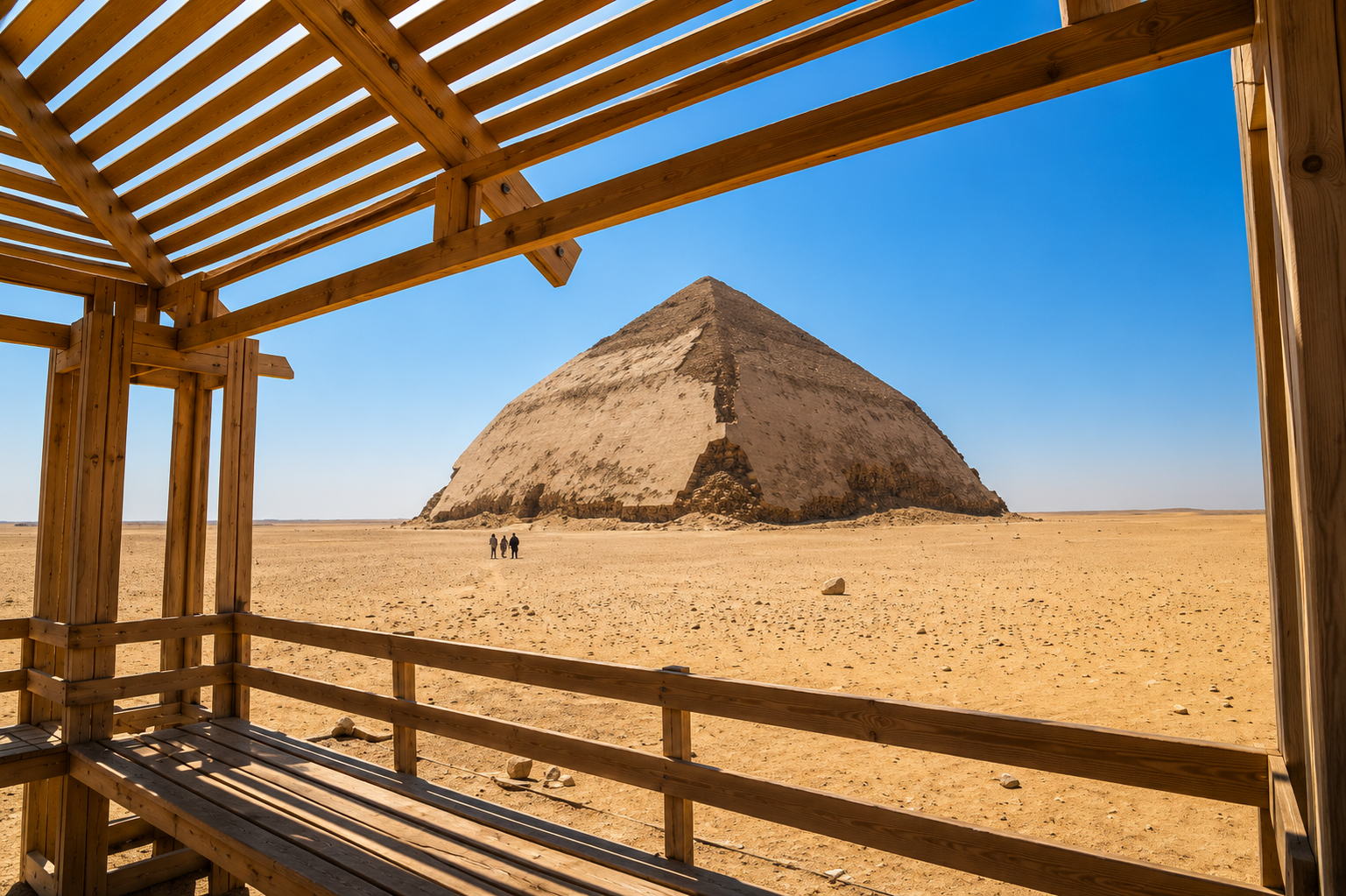
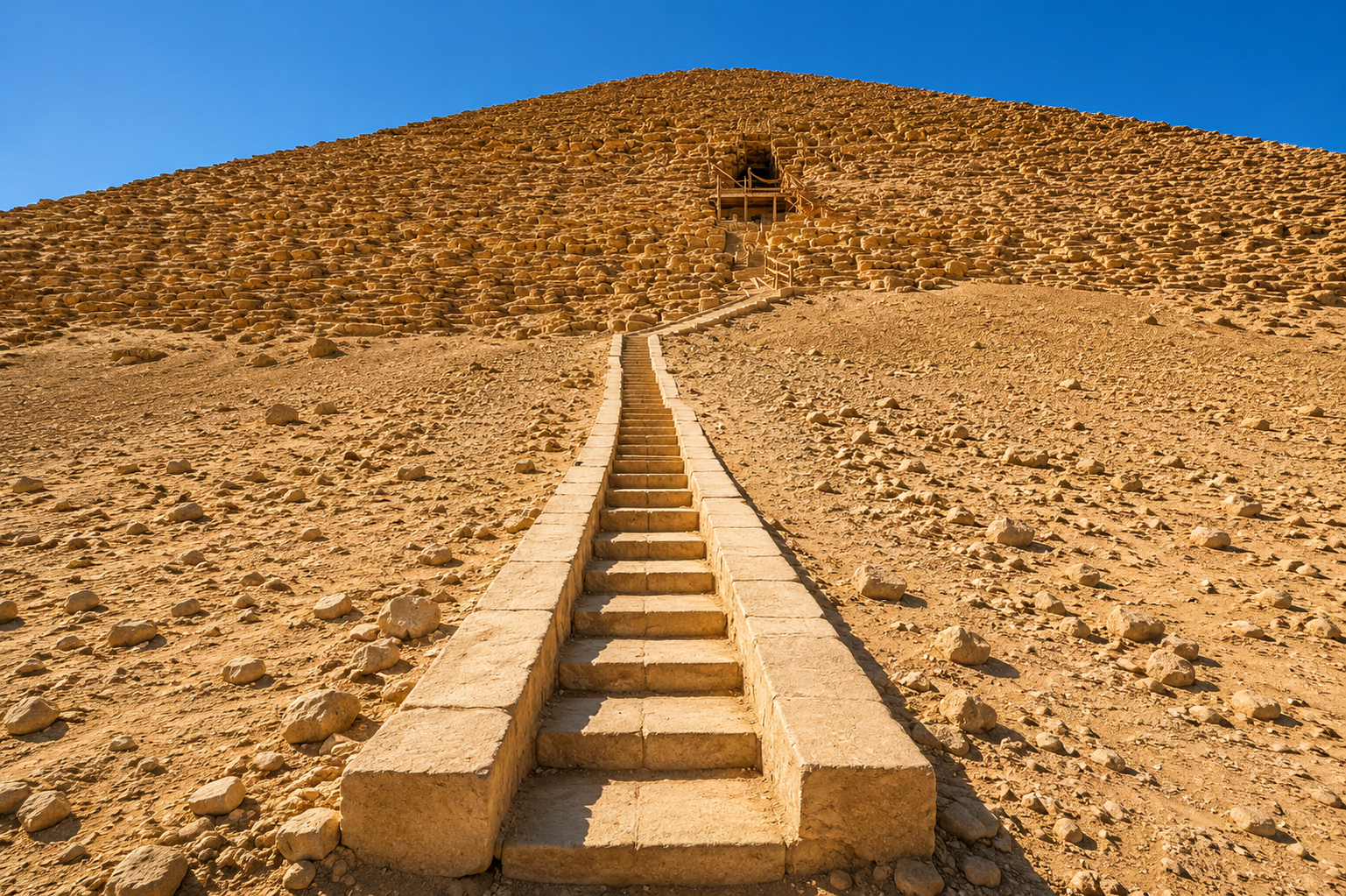
Because of its location, Saqqara can easily be combined with other attractions such as Giza Pyramids, Memphis, and Dahshur. A full-day tour covering these sites is an excellent way to discover the history of ancient Egypt beyond the famous pyramids of Giza.
The Step Pyramid of Djoser
The main attraction in Saqqara is the Step Pyramid of Djoser, built during the Third Dynasty around the 27th century BC.
The pyramid was designed for Pharaoh Djoser by the famous architect Imhotep. Unlike the smooth-sided pyramids that came later, the Step Pyramid consists of six levels built one above another. It represents an important development in ancient Egyptian architecture.
The complex surrounding the pyramid originally included courtyards, temples, ceremonial buildings, and other structures. Walking through the site gives visitors a better understanding of how royal funerary complexes were designed in ancient Egypt.
Saqqara Necropolis
Saqqara was used as a burial ground for thousands of years. The necropolis contains monuments from several periods of Egyptian history, including the Old Kingdom, Middle Kingdom, New Kingdom, and later periods.
One of the most interesting features of Saqqara is the variety of tombs found throughout the site. Some belonged to powerful officials, priests, nobles, and members of royal families.
Many tombs contain beautifully preserved reliefs showing everyday life in ancient Egypt. Scenes of farming, fishing, hunting, food preparation, crafts, and religious ceremonies provide valuable information about ancient Egyptian society.
The Tombs of Saqqara
The private tombs at Saqqara are among the site's greatest treasures. Some tombs feature detailed inscriptions and colorful paintings that have survived for thousands of years.
Visitors may see scenes depicting ancient Egyptians working in the fields, preparing food, making pottery, hunting animals, and performing religious rituals.
The tombs also demonstrate the importance of the afterlife in ancient Egyptian culture. Egyptians believed that proper burial preparations and religious rituals were essential for a successful journey into the next world.
The Serapeum of Saqqara
Another remarkable attraction is the Serapeum of Saqqara, an underground complex associated with the sacred Apis bulls.
The Apis bull was worshipped as a sacred animal connected with the god Ptah. After death, the bulls were ceremonially mummified and buried in enormous stone sarcophagi inside underground galleries.
The huge granite sarcophagi are among the most impressive objects at Saqqara. Their size and precision demonstrate the extraordinary engineering abilities of ancient Egyptian craftsmen.
Why Is Saqqara Important?
Saqqara is important because it documents a huge part of ancient Egyptian civilization. The site was not simply a place for pyramids; it was a major religious and funerary center connected to Memphis.
Archaeologists continue to discover new tombs, artifacts, and structures in the area. Every discovery adds more information about ancient Egyptian religion, architecture, government, and daily life.
For travelers, Saqqara also provides a quieter archaeological experience compared with the often-busy Giza Pyramids.
Best Time to Visit Saqqara
The best time to visit Saqqara is generally during the cooler months, from October to April. Temperatures are more comfortable for walking around the large archaeological area.
Early morning is also a good choice because the weather is usually cooler and the site can be less crowded. Comfortable shoes, sunscreen, a hat, and drinking water are recommended because there is limited shade in many parts of the archaeological site.
How to Visit Saqqara from Cairo
Saqqara can be visited from Cairo by private car, taxi, or organized tour. For first-time visitors to Egypt, a private guided tour is often the easiest option because the archaeological area is large and there are many monuments that are difficult to understand without historical context.
A popular itinerary combines Saqqara, Memphis, and Dahshur in one day. Travelers can also combine Saqqara with the Giza Pyramids for a broader introduction to Egypt's ancient monuments.
Is Saqqara Worth Visiting?
Absolutely. While the Pyramids of Giza are Egypt's most famous ancient attraction, Saqqara offers a deeper look into the development of Egyptian architecture and funerary traditions.
The Step Pyramid of Djoser, ancient tombs, underground galleries, and archaeological discoveries make Saqqara one of the most rewarding historical destinations near Cairo.
If you want to understand how ancient Egyptian pyramid architecture developed, Saqqara should be high on your Egypt itinerary.
Frequently Asked Questions About Saqqara
What is Saqqara famous for?
Saqqara is most famous for the Step Pyramid of Djoser, one of the world's earliest monumental stone structures. The site is also known for its ancient tombs, pyramids, and the Serapeum.
How far is Saqqara from Cairo?
Saqqara is approximately 30 kilometers south of central Cairo. Travel time can vary depending on traffic and your starting point.
Can I visit Saqqara and the Giza Pyramids on the same day?
Yes. Many travelers visit Giza, Saqqara, Memphis, and Dahshur as part of a full-day archaeological tour.
How long do you need in Saqqara?
Allow at least two to three hours to see the main attractions. A longer visit is recommended if you want to explore several tombs and archaeological areas.
Is Saqqara worth visiting?
Yes. Saqqara is one of the most important archaeological sites in Egypt and offers a fascinating experience for visitors interested in ancient Egyptian history, architecture, and culture.