Memphis Egypt: Complete Guide to the Ancient Capital
Memphis Egypt: Complete Guide to the Ancient Capital
Memphis is one of the most important ancient cities in Egypt and a fascinating destination for travelers exploring the country's archaeological sites. Located south of modern Cairo, near Saqqara and Dahshur, Memphis was once the political and cultural center of ancient Egypt.
Although much of the ancient city has disappeared over thousands of years, important monuments and statues remain. Visiting Memphis offers travelers a chance to understand the city that stood at the heart of Egyptian civilization and the reason the surrounding area became one of the world's most important archaeological landscapes.
Where Is Memphis in Egypt?
Ancient Memphis was located south of modern Cairo, near the modern town of Mit Rahina.
Its location was strategically important because it stood near the point where Upper and Lower Egypt met and close to the Nile Valley.
Today, the archaeological remains of Memphis are commonly visited together with Saqqara and Dahshur. These sites are relatively close to one another and can be combined into a full-day trip from Cairo or Giza.
Why Was Memphis Important?
Memphis was one of the most influential cities in ancient Egypt.
According to traditional accounts, the city was founded by King Menes after the unification of Upper and Lower Egypt. It became an important administrative, political, religious, and cultural center.
The city's strategic location helped it remain significant for much of ancient Egyptian history.
Memphis was also closely associated with the worship of the god Ptah, who was particularly important to the city's religious identity.
Memphis and the Ancient Egyptian Capital
For centuries, Memphis played a major role in the administration of Egypt.
Kings, officials, priests, craftsmen, and merchants lived and worked in the city. Its temples and religious institutions became important centers of worship and learning.
Although political power later shifted toward other cities, Memphis remained an important religious center.
The city's long history is one reason its archaeological remains are so valuable today.
The Colossus of Ramses II
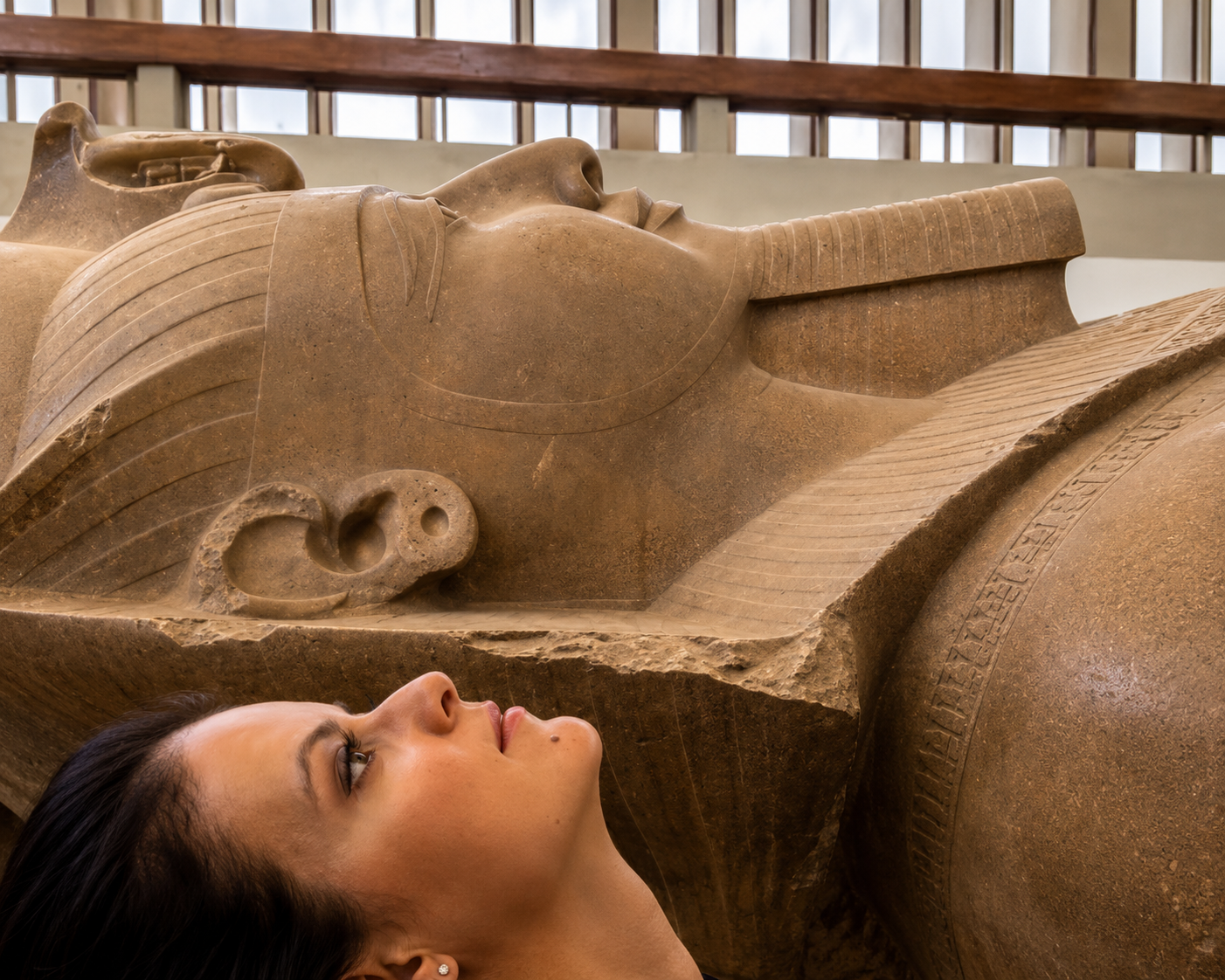
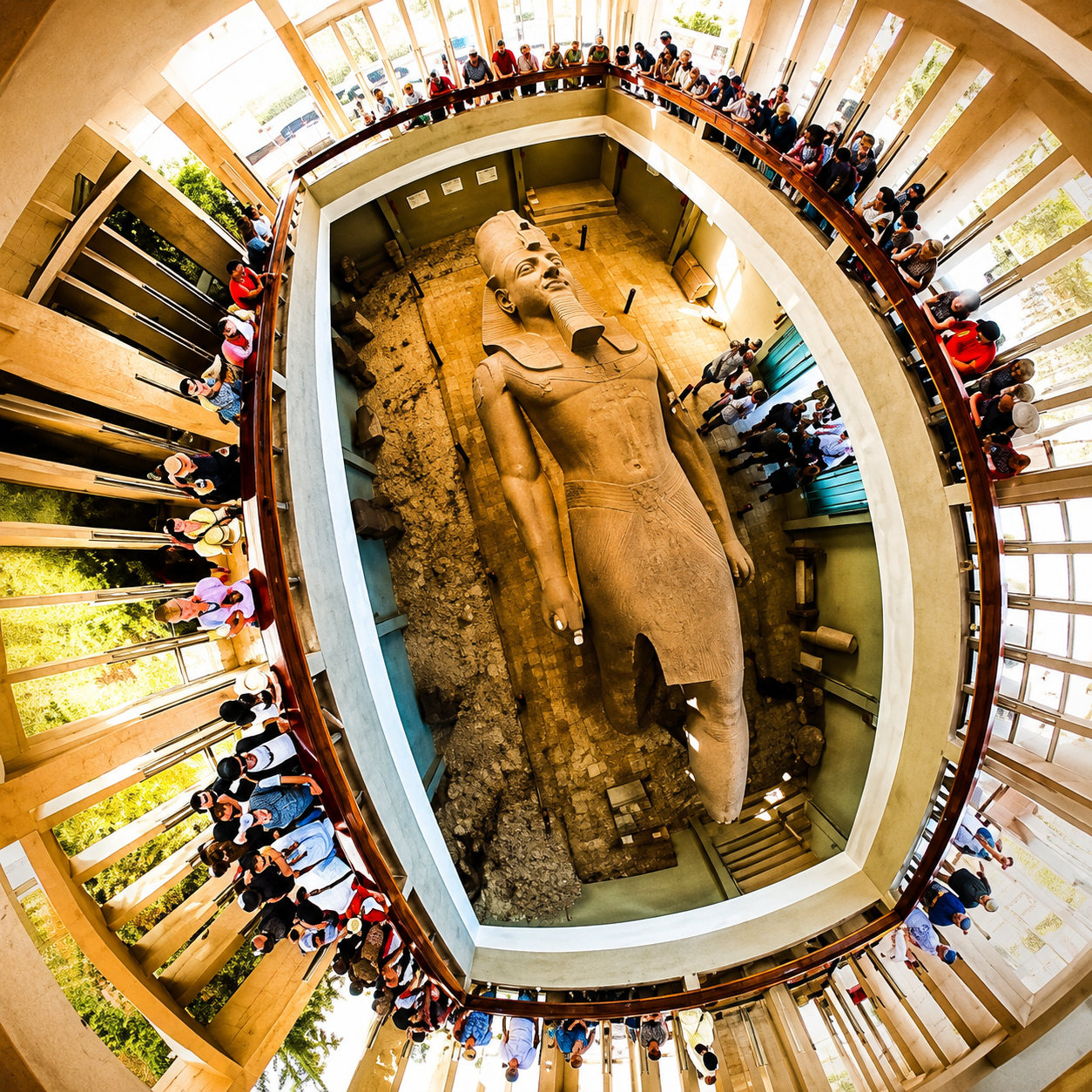
One of the most impressive objects at the Memphis open-air museum is the enormous Colossus of Ramses II.
The massive limestone statue depicts Pharaoh Ramses II lying down.
Although the statue is incomplete, its enormous size gives visitors an idea of the monumental scale favored by ancient Egyptian rulers.
Ramses II was one of Egypt's most famous pharaohs and ruled during the New Kingdom.
The colossus is one of the most recognizable surviving monuments at Memphis.
The Alabaster Sphinx
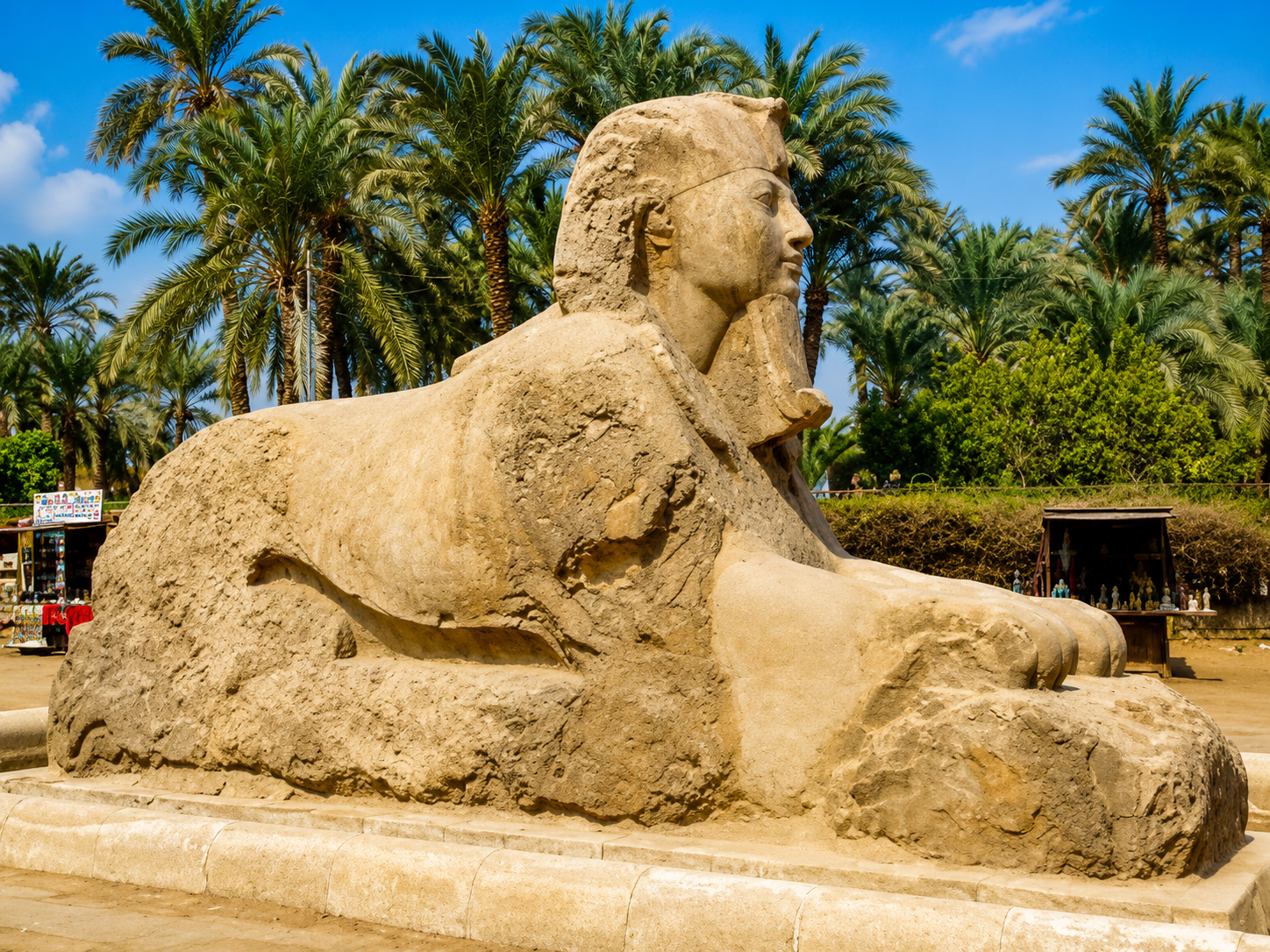
Another important attraction is the alabaster sphinx.
Unlike the famous limestone Great Sphinx at Giza, this sphinx is carved from alabaster.
It is traditionally associated with the New Kingdom and is believed to have been connected with the worship of Ptah and the religious traditions of Memphis.
The monument demonstrates the variety of sculptures that once decorated the ancient city.
Temple of Ptah
Memphis was closely associated with the worship of Ptah, one of the most important gods of the city.
The ancient Temple of Ptah was once a major religious complex.
Unfortunately, much of the temple disappeared over time as stone and other materials were reused.
The remaining archaeological evidence, however, provides important information about the religious importance of Memphis.
Memphis Open-Air Museum
The open-air museum at Mit Rahina contains some of the most important surviving monuments from ancient Memphis.
Visitors can see enormous statues, architectural fragments, sphinxes, columns, and other archaeological remains.
The museum is relatively compact compared with the enormous archaeological areas of Saqqara and Giza, making it easy to include in a day trip.
Memphis and Ramses II
Ramses II left a major mark on Memphis.
Several monuments and statues associated with his reign have been discovered in the area.
Ramses II ruled Egypt for a long period and was responsible for numerous monumental building projects throughout the country.
Seeing his enormous statue at Memphis provides an impressive connection with one of the most famous rulers of ancient Egypt.
Memphis and Saqqara
Memphis and Saqqara are closely connected.
Saqqara served as the major necropolis of Memphis, meaning that many of the city's rulers, officials, and religious figures were buried in the surrounding desert.
The relationship between the city and its cemetery is an important part of understanding the ancient Egyptian landscape.
A visit to Memphis followed by Saqqara allows travelers to see both the ancient city and its vast burial grounds.
Memphis and Dahshur
Dahshur is another important archaeological area associated with the ancient Memphis region.
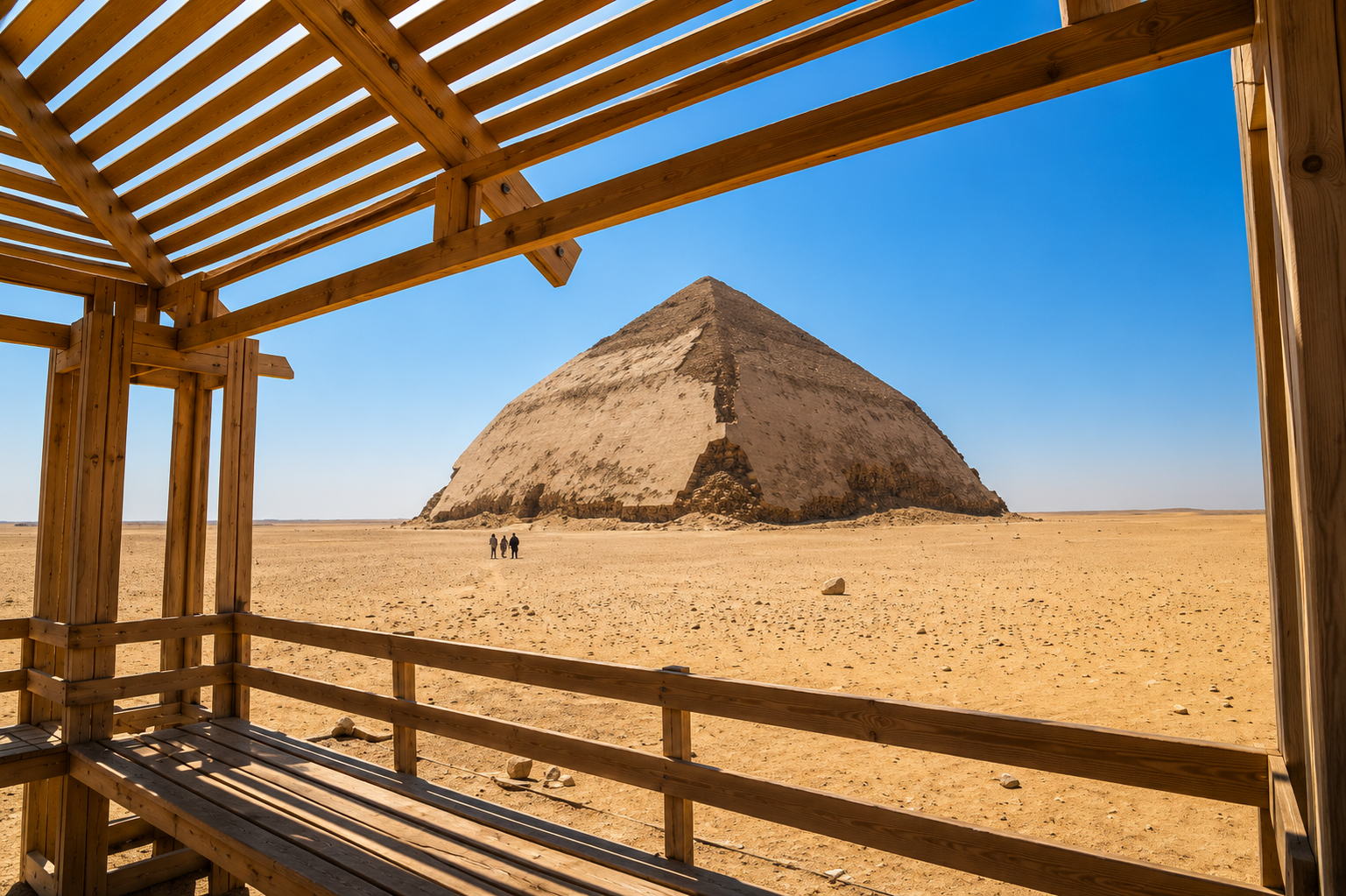
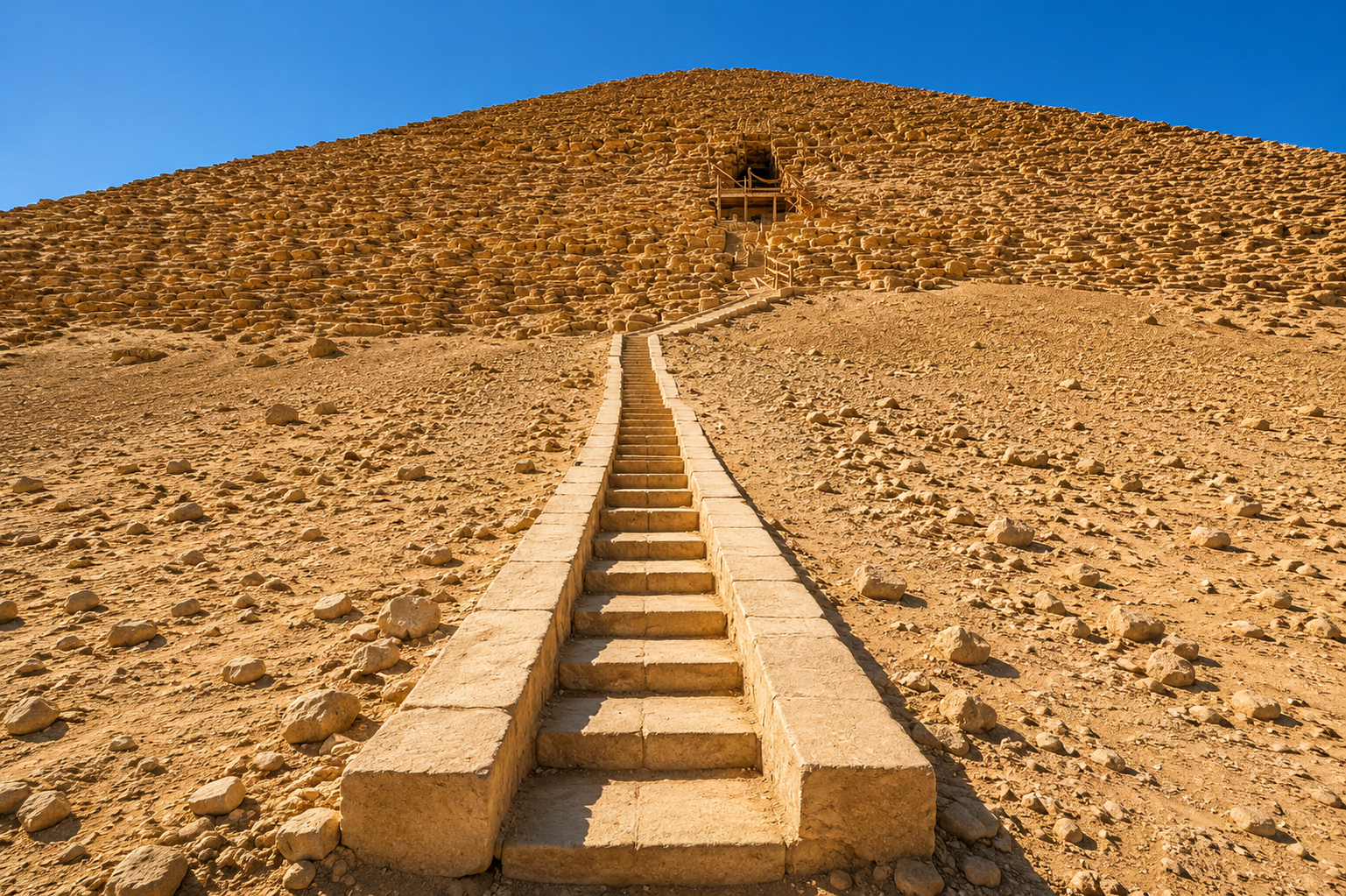
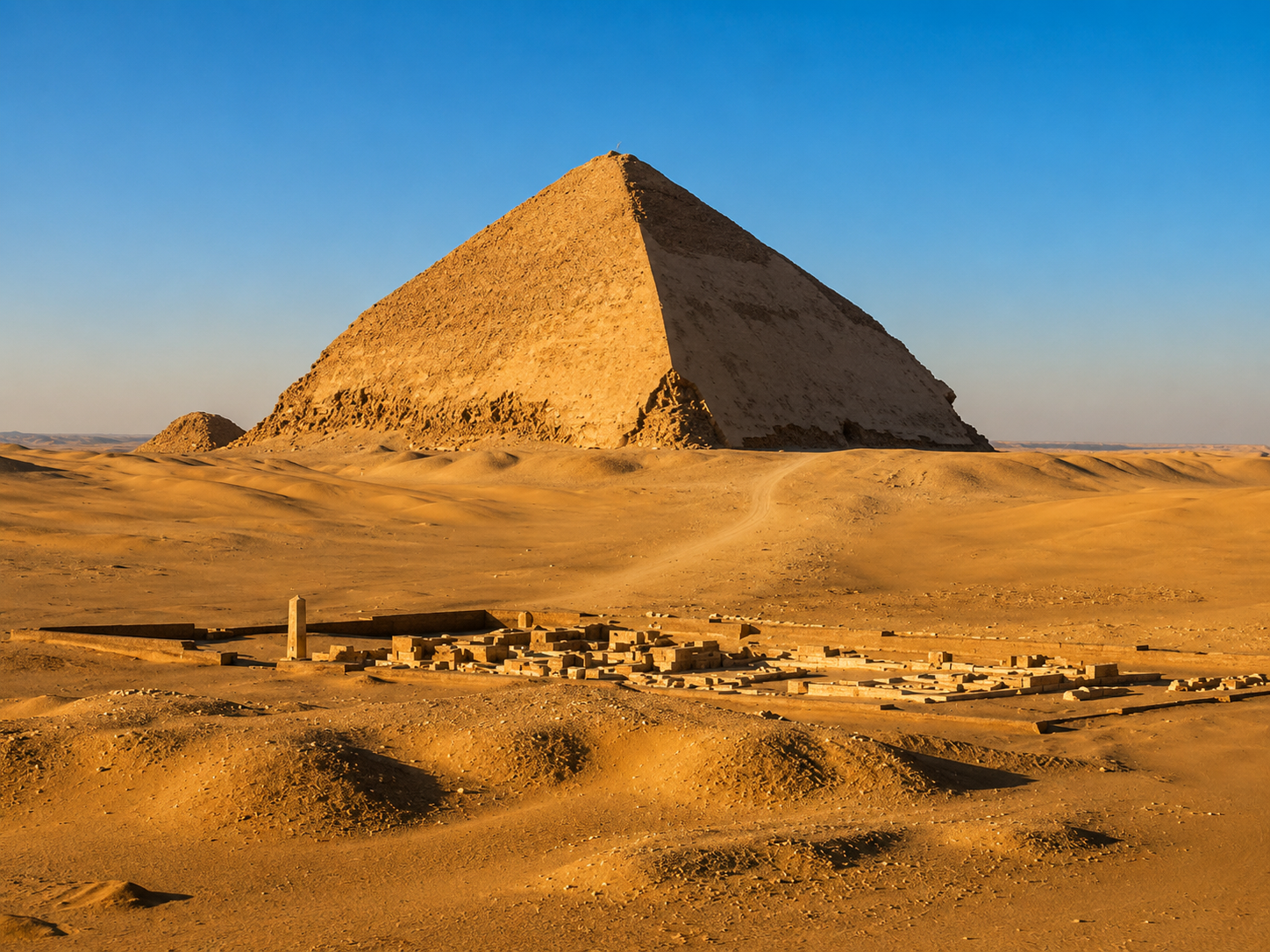
Its famous pyramids, particularly the Bent Pyramid and Red Pyramid, provide evidence of the development of royal architecture.
Combining Memphis with Dahshur allows visitors to explore both the religious and political history of ancient Egypt and the architectural development of its pyramids.
Memphis, Saqqara and Dahshur Day Trip
One of the best ways to visit Memphis is to combine it with Saqqara and Dahshur.
A typical itinerary might include:
Cairo → Memphis → Saqqara → Dahshur → Cairo
At Memphis, visitors can explore the open-air museum and learn about the city's importance.
At Saqqara, they can see the Step Pyramid of Djoser and ancient tombs.
At Dahshur, they can explore the Bent Pyramid and Red Pyramid.
Together, the three destinations provide a fascinating journey through ancient Egyptian history.
How to Get to Memphis From Cairo
Memphis can be reached from Cairo by private car, taxi, or organized tour.
Because Memphis is usually combined with Saqqara and Dahshur, private transportation is particularly convenient.
A guided tour can also help explain the historical relationship between the ancient capital, its necropolis, and the surrounding pyramid sites.
How Long Do You Need in Memphis?
Most visitors can explore the main Memphis attractions in approximately one to two hours.
The site is smaller than Saqqara and Giza, but it contains several impressive monuments that are worth taking time to appreciate.
If you are visiting Memphis as part of a larger archaeological day trip, two hours is usually a comfortable amount of time.
Best Time to Visit Memphis
The cooler months from October to April are generally comfortable for exploring archaeological sites around Cairo.
Early morning is also a good time to visit, especially during warmer months.
Bring water, sunscreen, sunglasses, and comfortable shoes.
Is Memphis Worth Visiting?
Yes.
Memphis may not have the enormous monuments of Giza, but its historical importance makes it a valuable part of any ancient Egypt itinerary.
The city was an important center of political power, religion, art, and administration for thousands of years.
The enormous Colossus of Ramses II and alabaster sphinx are particularly impressive reminders of the city's ancient importance.
Memphis vs Giza
Memphis and Giza offer completely different experiences.
Giza is famous for the Great Pyramid, the other royal pyramids, and the Great Sphinx.
Memphis focuses more on the ancient city itself, its temples, statues, and religious importance.
If you are visiting Egypt for the first time, Giza is usually the priority. However, travelers interested in ancient Egyptian history should strongly consider adding Memphis to their itinerary.
Memphis vs Saqqara
Saqqara was the main necropolis of Memphis.
Memphis allows visitors to explore remains of the ancient city, while Saqqara focuses primarily on the enormous cemetery and its monuments.
The two sites complement each other extremely well.
Visiting both provides a better understanding of how ancient Egyptian cities and burial landscapes were connected.
Frequently Asked Questions About Memphis Egypt
What was Memphis in ancient Egypt?
Memphis was one of the most important ancient Egyptian cities and served as a major political, administrative, and religious center.
Where is ancient Memphis located?
The remains of ancient Memphis are located near Mit Rahina, south of modern Cairo.
Who founded Memphis?
Traditional Egyptian history associates the foundation of Memphis with King Menes following the unification of Upper and Lower Egypt.
What is Memphis famous for?
Memphis is famous for its ancient statues, the Colossus of Ramses II, alabaster sphinx, religious importance, and its connection with the ancient capital of Egypt.
Is Memphis the same as modern Cairo?
No. Ancient Memphis was a separate ancient city located south of modern Cairo.
Can I visit Memphis and Saqqara together?
Yes. Memphis and Saqqara are commonly visited together because of their close historical and geographical relationship.
Can I visit Memphis, Saqqara and Dahshur in one day?
Yes. A full-day private tour can include all three destinations.
How long should I spend in Memphis?
Around one to two hours is generally enough to see the main attractions.
Is Memphis worth visiting?
Yes. Memphis provides important historical context for understanding ancient Egypt and the nearby archaeological sites of Saqqara and Dahshur.
What can I see at Memphis?
The main attractions include the Colossus of Ramses II, alabaster sphinx, statues, architectural remains, and other archaeological objects displayed at the open-air museum.
Final Thoughts
Memphis is an essential part of the story of ancient Egypt.
While only a fraction of the ancient city survives today, the remaining monuments reveal the enormous importance Memphis once held as a center of government, religion, and culture.
For travelers exploring Cairo and Giza, combining Memphis, Saqqara, and Dahshur is one of the best ways to discover the ancient Egyptian landscape beyond the famous Giza Pyramids.
The journey connects an ancient capital with its great necropolis and some of the most important pyramids ever built, creating a deeper understanding of how ancient Egyptian civilization developed.