Nile River in Egypt: Complete Guide, History, Cruises & Things to Do
Nile River in Egypt: Complete Guide, History, Cruises & Things to Do
The Nile River in Egypt is much more than a river. It is the natural feature that shaped Egyptian civilization, supported ancient cities, and continues to play an important role in the country's culture, agriculture, and tourism.
From Cairo in the north to Luxor and Aswan in the south, the Nile passes through some of Egypt's most fascinating destinations. Travelers can enjoy a peaceful felucca ride, take a multi-day Nile cruise, explore ancient temples along the riverbanks, or simply experience the landscapes that have defined Egypt for thousands of years.
Whether you are visiting Egypt for the first time or planning a longer journey through the country, understanding the Nile will make your trip even more meaningful.
What Is the Nile River?
The Nile is one of the world's best-known rivers and flows northward through northeastern Africa before reaching the Mediterranean Sea.
In Egypt, the river creates a narrow green valley surrounded by desert. This dramatic contrast is one of the defining landscapes of the country.
For thousands of years, communities depended on the Nile for water, agriculture, transportation, fishing, and trade.
Today, the river remains central to life in Egypt while also serving as one of the country's most popular tourism routes.
Why Is the Nile Important to Egypt?
The Nile has played a fundamental role in Egyptian civilization.
Ancient Egyptian settlements developed along the river because its water and fertile land made agriculture possible in an otherwise arid environment.
The annual flooding of the Nile historically deposited nutrient-rich soil along the riverbanks, supporting crops and helping communities thrive.
The river also provided a natural transportation route. Boats could move people, goods, building materials, and agricultural products between different parts of Egypt.
This connection between the river and civilization explains why the Nile appears so frequently in ancient Egyptian religion, art, and literature.
The Nile in Ancient Egyptian History
The ancient Egyptians considered the Nile central to their understanding of life and nature.
The river's annual cycle influenced agricultural seasons and helped determine when crops could be planted and harvested.
Ancient temples and settlements were often built near the river, while major cities developed along its banks.
Many of Egypt's most famous archaeological sites are connected directly or indirectly with the Nile.
Luxor, for example, developed on both sides of the river and became one of the most important religious centers of ancient Egypt.
Further south, Aswan became an important frontier city and trading center.
The Nile River in Cairo
The Nile is an important part of modern Cairo.
The river passes through the heart of the capital, separating parts of the city and creating a unique urban landscape.
Visitors can enjoy the Nile in several ways, including traditional felucca rides, dinner cruises, sightseeing cruises, and private boat trips.
A Nile experience in Cairo is very different from a multi-day cruise between Luxor and Aswan.
In Cairo, the focus is often on the city's skyline, bridges, restaurants, and evening atmosphere.
Felucca Rides on the Nile
A felucca is a traditional Egyptian sailing boat and one of the most enjoyable ways to experience the Nile.
Feluccas use the wind rather than an engine, creating a peaceful and traditional experience.
A short felucca ride can be arranged in Cairo, Luxor, Aswan, and other Nile destinations.
Aswan is particularly famous for felucca sailing because of its beautiful river scenery, islands, and traditional Nubian atmosphere.
For travelers looking for a relaxing activity rather than a large organized cruise, a felucca ride is an excellent choice.
Nile River Cruises
A Nile River cruise is one of the most popular ways to explore Upper Egypt.
Most traditional cruises operate between Luxor and Aswan, stopping at important archaeological sites along the way.
A typical cruise may include visits to:
- Luxor Temple
- Karnak Temple
- Valley of the Kings
- Edfu Temple
- Kom Ombo Temple
- Philae Temple
- Aswan
The exact itinerary depends on the cruise company, schedule, and direction of travel.
Nile Cruise From Luxor to Aswan
Cruising from Luxor to Aswan allows travelers to combine comfortable river travel with visits to some of Egypt's greatest ancient monuments.
Luxor is often considered one of the world's most important open-air archaeological destinations.
Visitors can explore Karnak Temple, Luxor Temple, the Valley of the Kings, and other monuments before beginning the cruise.
During the journey south, the ship stops at important temples such as Edfu and Kom Ombo before reaching Aswan.
Nile Cruise From Aswan to Luxor
The reverse route is also popular.
Starting in Aswan allows travelers to explore attractions such as Philae Temple and enjoy the beautiful scenery around the First Cataract before sailing north toward Luxor.
The itinerary generally includes the same major archaeological stops, although the order and timing can differ.
Choosing between the two directions often depends on your broader Egypt itinerary.
Things to Do on the Nile River
There are many ways to enjoy the Nile beyond a traditional cruise.
Take a Felucca Ride
Enjoy a traditional sailing experience and watch the river landscape pass slowly around you.
Enjoy a Dinner Cruise
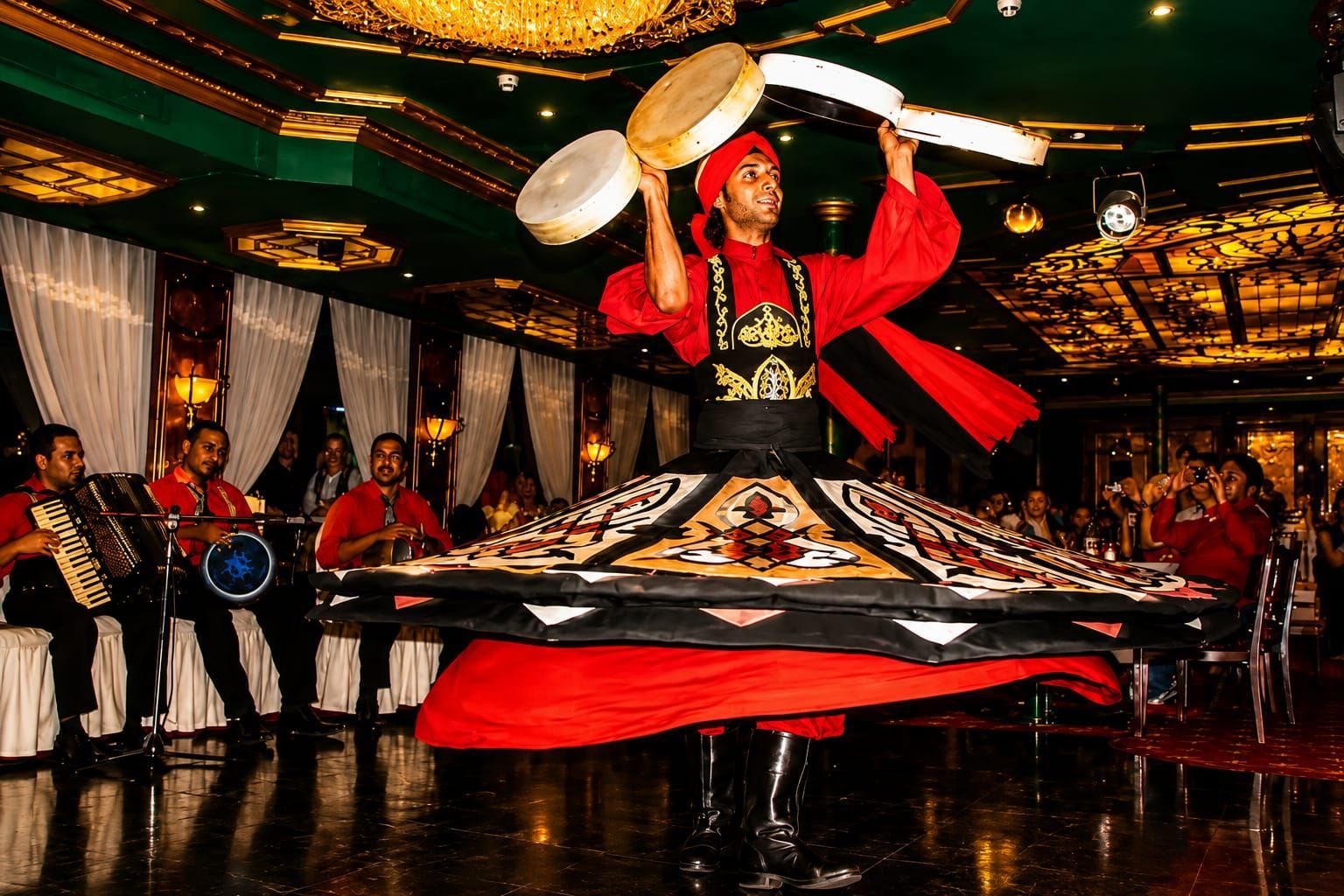
A Cairo dinner cruise combines Nile views with food, entertainment, and an evening atmosphere.
Take a Multi-Day Cruise
A traditional Nile cruise is ideal for travelers who want to combine sightseeing and transportation between Luxor and Aswan.
Visit Temples Along the River
Many ancient Egyptian temples are located close to the Nile and can be visited during a cruise.
Watch the Sunset
The Nile provides beautiful sunset views, particularly in Upper Egypt where the desert landscape creates a dramatic backdrop.
Explore Nubian Culture
Aswan is an excellent place to learn more about Nubian culture, traditions, villages, and cuisine.
Best Time for a Nile Cruise
The cooler months from October to April are generally considered the most comfortable time for exploring Egypt.
Temperatures are usually more pleasant for visiting temples and archaeological sites.
The summer months can be extremely hot in Luxor and Aswan, although Nile cruises continue to operate.
If you travel during warmer months, early morning sightseeing and proper hydration become particularly important.
How Long Should a Nile Cruise Be?
Nile cruises are available in different lengths.
A 3- or 4-night cruise is a popular choice for travelers who want to experience the main attractions between Luxor and Aswan.
Longer itineraries may provide additional time for sightseeing or relaxation.
The ideal length depends on your overall Egypt itinerary and whether you want to spend additional days in Luxor or Aswan.
What Is the Best Way to Experience the Nile?
There is no single best option.
A short felucca ride is ideal for travelers who want a peaceful experience.
A dinner cruise works well for visitors staying in Cairo.
A multi-day cruise is better for travelers who want to combine transportation, accommodation, and sightseeing.
For a complete Egypt experience, many travelers combine a Nile cruise with time in Cairo, Giza, Luxor, and Aswan.
What to Pack for a Nile Cruise
Pack comfortable clothing suitable for warm weather and sightseeing.
Useful items include:
- Comfortable walking shoes
- Lightweight clothing
- Sunscreen
- Sunglasses
- Hat
- Swimwear for the cruise pool
- Camera or smartphone
- Light jacket for cooler evenings
If you plan to visit temples and religious sites, modest and comfortable clothing is recommended.
Is a Nile River Cruise Worth It?
Absolutely.
A Nile cruise offers a unique way to experience Egypt because the journey itself becomes part of the trip.
Instead of traveling between archaeological sites entirely by road, you can wake up on the river and watch villages, farmland, desert landscapes, and temples pass by.
The combination of relaxation and sightseeing makes a Nile cruise one of the most memorable experiences in Egypt.
Frequently Asked Questions About the Nile River
Why is the Nile River important to Egypt?
The Nile has supported Egyptian agriculture, transportation, settlements, trade, and civilization for thousands of years.
Where does the Nile River flow in Egypt?
The Nile flows through Egypt from the south toward the Mediterranean Sea in the north.
What are the best places to visit along the Nile?
Cairo, Luxor, Edfu, Kom Ombo, and Aswan are among the most popular destinations along the Egyptian Nile.
What is the most popular Nile cruise route?
The route between Luxor and Aswan is the most popular traditional Nile cruise itinerary.
How many nights is a typical Nile cruise?
Many cruises operate for three or four nights, although longer itineraries are also available.
Is a Nile cruise suitable for families?
Yes. Nile cruises can be enjoyable for families and provide a convenient way to combine sightseeing with accommodation and transportation.
What is a felucca?
A felucca is a traditional Egyptian sailing boat powered primarily by wind. It provides a peaceful way to experience the Nile.
Is the Nile safe for tourists?
Tourism activities on the Nile, including organized cruises and boat trips, are widely available. Travelers should follow the safety instructions provided by their boat operator or guide.
What is the best month for a Nile cruise?
The cooler period from October through April is generally comfortable for cruising and visiting archaeological sites.
Can I take a Nile cruise from Cairo to Luxor?
Traditional multi-day Nile cruises are primarily associated with the Luxor–Aswan route. Travelers visiting Cairo commonly travel separately to Luxor before starting a cruise.
What temples can I see on a Nile cruise?
Depending on the itinerary, cruises can include Karnak Temple, Luxor Temple, Edfu Temple, Kom Ombo Temple, and attractions around Aswan.
Is a Nile cruise worth it?
Yes. A Nile cruise combines ancient Egyptian history, river scenery, comfortable travel, and visits to some of the country's most important archaeological sites.
Final Thoughts
The Nile River in Egypt is at the heart of the country's history and remains one of its greatest attractions.
From traditional felucca rides in Aswan to luxury cruises between Luxor and Aswan, travelers have many ways to experience the river.
For a first trip to Egypt, combining Cairo with a Nile cruise is an excellent way to experience both modern Egyptian life and the ancient civilization that grew along the river.
The Nile is not simply a route between destinations. It is one of the central stories of Egypt itself.