Great Pyramid of Khufu: History, Facts and Visitor Guide
Great Pyramid of Khufu: History, Facts and Visitor Guide
The Great Pyramid of Khufu is one of the most famous landmarks in the world and the largest of the three main pyramids on the Giza Plateau. For more than 4,500 years, this extraordinary monument has stood on the edge of Cairo, attracting historians, archaeologists, and travelers from around the world.
Also known as the Great Pyramid of Giza or the Pyramid of Cheops, the pyramid was built as a royal tomb for the ancient Egyptian pharaoh Khufu. Today, it remains the only surviving monument of the original Seven Wonders of the Ancient World.
Whether you are interested in ancient Egyptian history, planning a trip to Cairo, or simply wondering what it is like to stand beside one of humanity's greatest architectural achievements, this guide covers the history, fascinating facts, and everything you need to know before visiting the Great Pyramid of Khufu.
What Is the Great Pyramid of Khufu?
The Great Pyramid of Khufu is the largest pyramid at Giza and the oldest of the three main pyramids in the complex. It was built during Egypt's Fourth Dynasty, around 4,500 years ago, as part of a vast royal funerary complex.
The pyramid was constructed for Pharaoh Khufu, who is also known by the Greek name Cheops. It originally stood approximately 146.6 meters high, making it the tallest human-made structure in the world for thousands of years.
Over time, the pyramid lost its smooth outer casing stones and some of its original height. Today, it stands at approximately 138.5 meters, but its enormous size remains impressive.
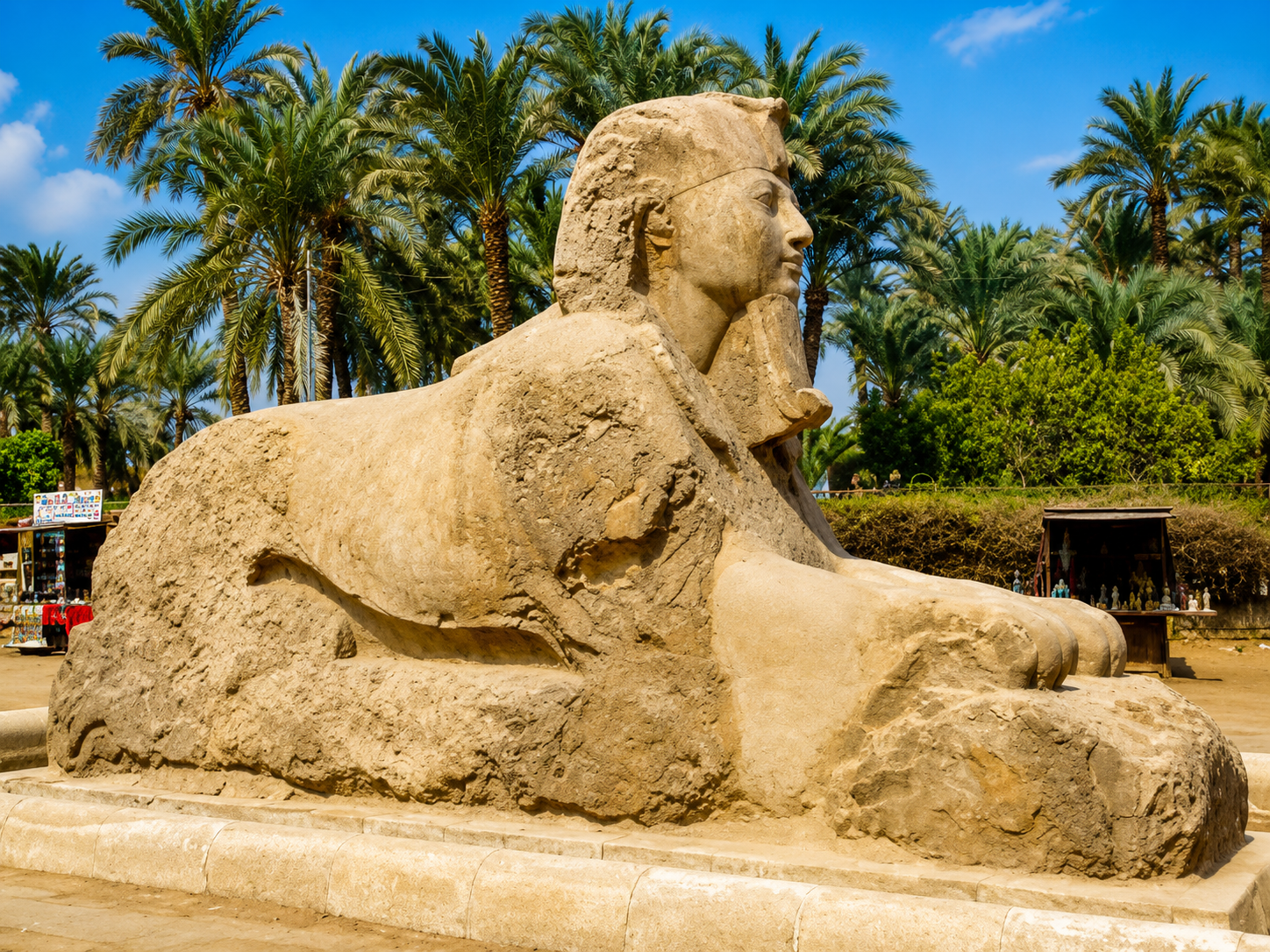
The Great Pyramid is surrounded by other important monuments, including the Pyramid of Khafre, the Pyramid of Menkaure, the Great Sphinx, ancient temples, tombs, and smaller pyramids.
Who Built the Great Pyramid of Khufu?
The Great Pyramid was built during the reign of Pharaoh Khufu, who ruled ancient Egypt during the Fourth Dynasty of the Old Kingdom.
For centuries, people have wondered exactly how the ancient Egyptians constructed such a massive monument. Modern archaeological research shows that the pyramid was built by a highly organized workforce of skilled laborers, craftsmen, engineers, and workers.
Contrary to a popular myth, there is no strong evidence that the pyramid was built primarily by slaves. Archaeological discoveries near Giza have revealed evidence of worker settlements, bakeries, food production, and organized communities that supported the construction project.
Building the Great Pyramid required enormous planning. Massive stone blocks had to be quarried, transported, shaped, and carefully positioned.
Even today, the precision and scale of the construction continue to amaze experts.
How Old Is the Great Pyramid?
The Great Pyramid of Khufu is more than 4,500 years old.
It was built during Egypt's Old Kingdom, a period often described as the Age of the Pyramids. The pyramid has survived thousands of years of changing weather, natural erosion, earthquakes, and human activity.
When you stand in front of the Great Pyramid, you are looking at a monument that was already ancient when the Roman Empire existed.
It is one of the reasons why a visit to Giza feels so extraordinary. Few places in the world allow visitors to stand beside a structure that has survived for such an incredible length of time.
How Big Is the Great Pyramid of Khufu?
The Great Pyramid was originally approximately 146.6 meters tall. Today, it is around 138.5 meters tall because of the loss of its outer casing stones and the uppermost section.
Each side of the pyramid's base measures approximately 230 meters.
The structure was originally covered with smooth, white limestone casing stones that reflected sunlight. This would have made the pyramid look dramatically different from its appearance today.
Some of the original casing stones can still be seen near the base of the pyramid.
The Great Pyramid was the tallest human-made structure in the world for thousands of years, an extraordinary achievement for an ancient civilization working without modern construction equipment.
What Is Inside the Great Pyramid?
The interior of the Great Pyramid is very different from what many first-time visitors expect.
It is not a museum filled with gold, mummies, or ancient treasures. Instead, visitors explore a series of ancient passageways and chambers built deep inside the structure.
Some of the best-known internal features include:
- The Descending Passage
- The Ascending Passage
- The Grand Gallery
- The King's Chamber
- The Queen's Chamber
- The Subterranean Chamber
The Grand Gallery is one of the most impressive spaces inside the pyramid. Its high, ascending passage leads toward the King's Chamber.
The King's Chamber is built using massive granite blocks and contains an empty granite sarcophagus.
Although the interior may appear simple compared with the decorated tombs found elsewhere in Egypt, walking inside the Great Pyramid is a unique experience because of the monument's age, architecture, and historical importance.
Can You Go Inside the Great Pyramid of Khufu?
Yes, visitors can enter the Great Pyramid of Khufu.
However, entering the pyramid normally requires a separate ticket in addition to the general admission ticket for the Giza Pyramids complex.
The journey inside involves narrow passages, low ceilings, steep sections, and climbing. It can also feel warm and enclosed.
For this reason, entering the Great Pyramid may not be suitable for everyone. Visitors with severe claustrophobia or difficulty walking and climbing should carefully consider whether the experience is right for them.
For those who are physically comfortable with the climb, reaching the King's Chamber can be one of the most memorable experiences during a trip to Egypt.
How Long Does It Take to Visit?
The amount of time you need depends on what you want to see.
A short visit to admire and photograph the Great Pyramid from outside may take one to two hours. However, most visitors spend several hours exploring the wider Giza Plateau.
If you plan to enter the pyramid, visit the Great Sphinx, explore the other pyramids, take photographs from panoramic viewpoints, and visit nearby attractions, you should allow at least half a day.
A private guide can help you understand the history of the site and make better use of your time.
Best Time to Visit the Great Pyramid of Khufu
The cooler months, generally from October through April, are popular for visiting the Giza Pyramids because daytime temperatures are usually more comfortable.
During summer, the heat can be intense, particularly around midday.
For the best experience, try to visit early in the morning when the temperature is cooler and the site may feel less crowded.
Late afternoon can also provide beautiful light for photography, although you should always plan enough time to complete your visit before closing.
What Should You Wear?
Comfortable clothing and good walking shoes are essential.
The Giza Plateau is a large outdoor archaeological site with sand, uneven ground, stone pathways, and strong sunshine.
For most visitors, the best choice includes:
- Comfortable sneakers or walking shoes
- Lightweight and breathable clothing
- Sunglasses
- Sunscreen
- A hat
- A light jacket during winter mornings or evenings
If you plan to enter inside the Great Pyramid, avoid heavy bags and wear clothing that allows you to move comfortably.
Amazing Facts About the Great Pyramid of Khufu
Here are some fascinating facts about the Great Pyramid:
It Is the Only Surviving Ancient Wonder
The Great Pyramid is the only one of the original Seven Wonders of the Ancient World that still survives today.
It Was the World's Tallest Building for Thousands of Years
For much of recorded history, no human-made structure was taller than the Great Pyramid.
It Was Originally Covered in White Limestone
The pyramid originally had a smooth outer surface made from polished white limestone casing stones.
It Contains Massive Stone Blocks
Millions of stone blocks were used in the construction of the pyramid, creating a structure of extraordinary scale.
Its Construction Remains Remarkable
The ancient Egyptians achieved an exceptional level of organization, engineering, and precision while building the pyramid.
It Is More Than 4,500 Years Old
The Great Pyramid has survived for nearly five millennia and remains one of the world's most recognizable landmarks.
How to Visit the Great Pyramid of Khufu
The Great Pyramid is located on the Giza Plateau, near Cairo.
Visitors can reach the site by private car, taxi, guided tour, or other arranged transportation. A private guide or organized tour can be particularly useful for first-time visitors because the Giza complex is large and includes several major monuments.
When planning your visit, remember to consider:
- Travel time from your hotel
- Cairo traffic
- Entrance procedures
- Ticket options
- Whether you want to enter the pyramid
- Time for the Great Sphinx
- Photography stops
- Weather conditions
If you have limited time in Cairo, such as during a long airport layover, careful planning is especially important.
Is the Great Pyramid of Khufu Worth Visiting?
Absolutely.
The Great Pyramid of Khufu is more than a famous tourist attraction. It is one of the greatest surviving achievements of the ancient world.
Seeing it in person gives you a completely different appreciation of its enormous scale. Photographs cannot fully prepare you for the moment when you stand beside its massive stone blocks and realize that the structure has been there for more than 4,500 years.
For travelers interested in history, architecture, archaeology, or ancient Egypt, the Great Pyramid is an essential experience.
Final Thoughts
The Great Pyramid of Khufu continues to fascinate the world thousands of years after it was built. Its enormous size, remarkable engineering, mysterious interior, and extraordinary history make it one of the most important monuments ever created.
Whether you choose to admire it from outside, photograph it from the Giza Plateau, or climb through its ancient passageways to reach the King's Chamber, visiting the Great Pyramid is an experience you are unlikely to forget.
Plan your visit carefully, wear comfortable shoes, allow enough time to explore, and take a moment to appreciate what you are seeing.
You are standing in front of the last surviving Wonder of the Ancient World.